What Secure Attachment Looks Like in Toddlers & Young Children
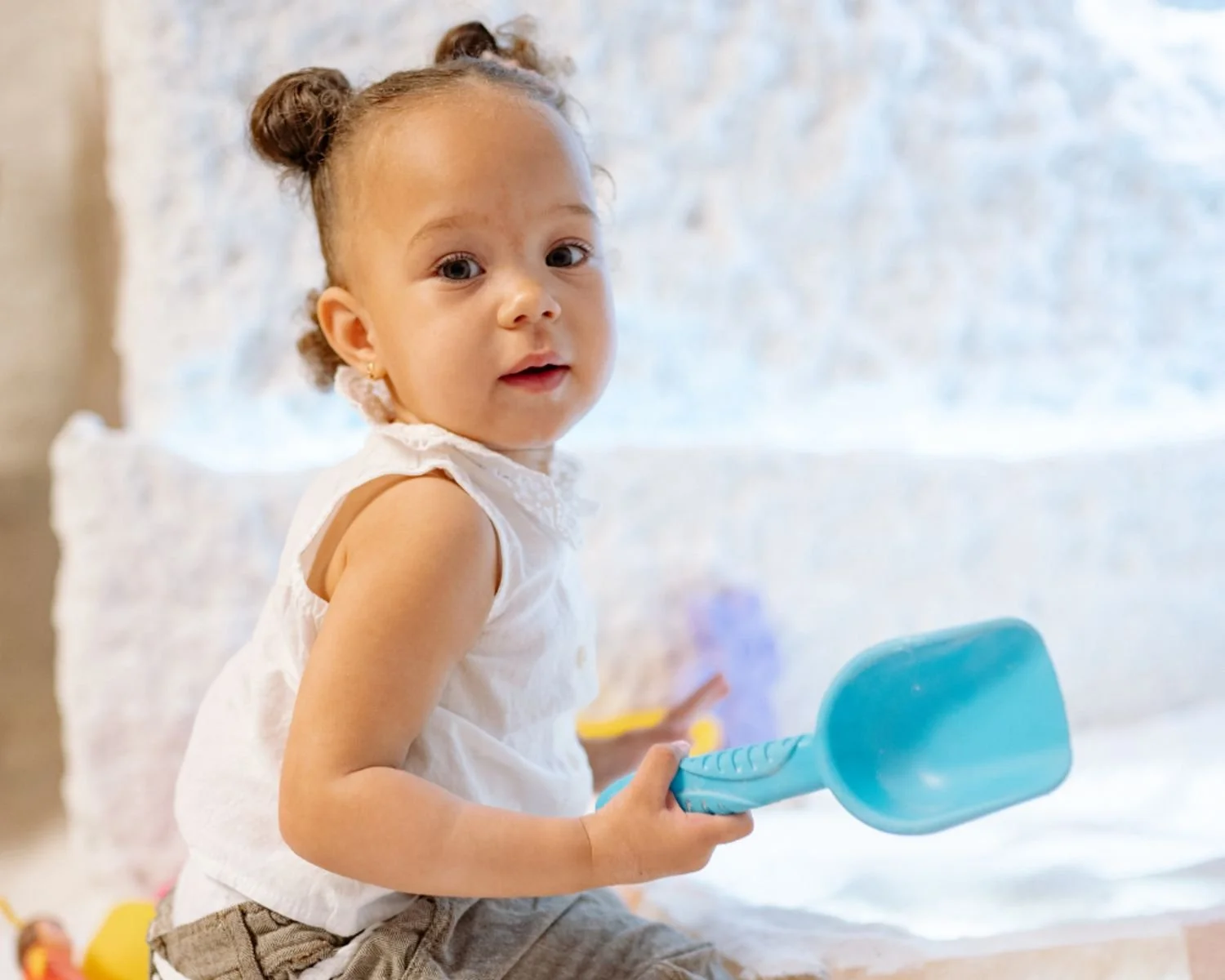
Attachment is the emotional bond between a child and their caregiver - and it shapes how children experience relationships, regulate emotions, and see themselves in the world.
Many parents worry:
"Did I do enough?"
"Did I mess this up?"
"Is my child securely attached?"
The good news: secure attachment is not about perfection. It's about connection, repair, and emotional safety over time.
As play therapists, we want to help parents understand what secure attachment actually looks like in real life.
What is Secure Attachment?
Secure attachment develops when a child consistently experiences their caregiver as:
Emotionally available
Responsive
Safe
Predictable
Willing to repair after mistakes
A securely attached child feels:
"When I'm upset, someone will help me. When I explore, I can come back."
Signs of Secure Attachment in Young Children
1. They Seek Comfort When Upset
A securely attached child turns toward their caregiver when distressed-not away.
This may look like:
Wanting a hug
Crying when hurt
Reaching for you when scared
This is a sign of trust-not weakness.
2. They Explore, Then Check Back In
Secure attachment creates confidence.
You may notice your child:
Playing independently
Looking back at you for reassurance
Returning briefly before exploring again
This "secure base" allows healthy independence.
3. They Express a Range of Emotions
Secure attached children feel safe expressing:
Joy
Anger
Sadness
Fear
They don't suppress feelings to maintain connection-they trust the relationship can handle emotions.
4. They Accept Comfort (Even If It Takes Time)
Some kids calm quickly.
Others need longer co-regulation.
Both can still indicate secure attachment.
What matters is:
They eventually settle
They allow support
They don't shut down completely
5. They Can Handle Short Separations
Secure attachment doesn't mean no distress at separation.
It means:
The child trusts you will return
They can re-engage after reunion
They don't remain stuck in panic
6. Repair Happens After Rupture
All parents miss cues.
All parents lose patience sometimes.
Secure attachment grows when:
The adult repairs
The child feels seen again
Connection is restored
Repair is more powerful than perfection.
What Secure Attachment is NOT
✖ A child who never cries
✖ A child who is always compliant
✖ A child who never gets angry
✖ A parent who never gets overwhelmed
Secure attachment allows humanness.
When Attachment Feels Strained
Some children struggle due to:
Trauma
Prolonged stress
Medical issues
Sensory processing differences
Separation or family changes
Play therapy can gently strengthen attachment by rebuilding safety through play, attunement, and regulation.
✨Illuminate Play Therapy & Counseling supports children and caregivers in nurturing secure attachment-without blame or shame.
If you'd like support strengthening connection with your child, we're here to help.